7 Best Baseball Hat Manufacturers for Global Buyers
Choosing the right Baseball Hat manufacturer can shape a brand’s quality, margins, and delivery performance. Global buyers often compare factories by sampling speed, production capacity, fabric options, and communication. A polished website is not enough. Real reliability appears in inspection records, consistent stitching, accurate measurements, and transparent order terms.
This guide examines seven manufacturers serving international buyers across private label, wholesale, promotional, and retail markets. Each option is assessed through practical purchasing concerns, including minimum order quantities, embroidery quality, custom packaging, material sourcing, and shipping coordination. Cotton twill, recycled polyester, washed canvas, and performance fabrics may suit different customer groups. Small details matter, such as sweatband comfort, buckle strength, colorfastness, and the shape of the curved brim.
No supplier is perfect. A factory may offer excellent prices but limited customization. Another may deliver impressive samples yet require larger orders. These trade-offs deserve careful attention before signing an agreement. Buyers should request current samples, confirm production timelines, and review independent quality checks where possible. Factory experience is useful, but evidence is stronger. Direct communication also reveals how a supplier handles revisions, delays, and unexpected defects.
The following manufacturers are presented for their capabilities, market experience, and suitability for global sourcing. Their strengths differ, so the right choice depends on brand positioning, budget, volume, and target market. A careful comparison can prevent costly rework and disappointing launches. Even experienced buyers should verify every important detail. Specifications can change. That reality is easy to overlook.
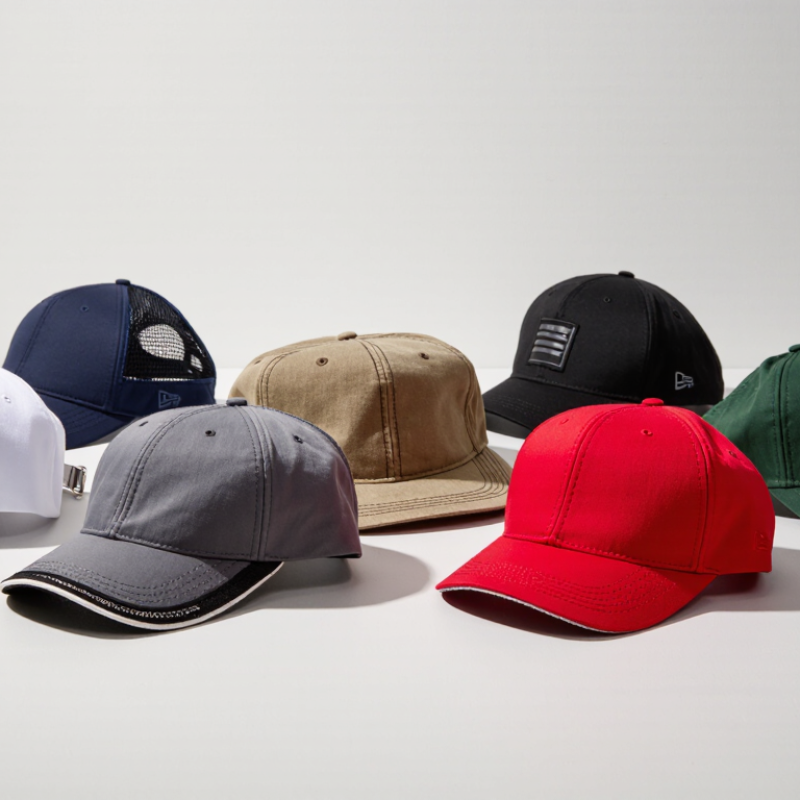
How to Evaluate Baseball Hat Manufacturers for Global Buyers
Choosing among the best baseball hat manufacturers requires more than comparing catalog photos. Global buyers should inspect production evidence, communication habits, and quality controls. A polished website proves very little.
Request physical samples before discussing large orders. Check crown shape, brim balance, sweatband comfort, and embroidery density. Rub the fabric lightly to test color transfer and loose fibers. Ask how the factory handles measurement tolerances. Small errors become obvious in a shipment of thousands.
Ask for fabric specifications, testing records, production capacity, and recent export experience. Reliable manufacturers explain their minimum order quantities and lead times clearly. They should also identify the actual production site, not only a trading office. Request a pre-production sample with approved artwork and packaging details. Keep written records of every change.
Look closely at their answers.
Do they provide dates, documents, and named quality checkpoints? Or do they promise everything immediately? That difference matters. A factory may offer a low price but lack stable stitching teams or backup materials. I have seen attractive samples hide uneven panels and weak closures. That mistake was avoidable. An independent inspection can catch defects before shipment, although it adds cost and time. Buyers should also verify labeling, material claims, worker safety practices, and destination-market requirements. Rules vary by country, so professional compliance advice may be necessary. Ask for references from comparable buyers, while remembering that references can be selective. Availability, transparency, and consistent follow-through usually reveal more than sales language.
Top Seven Baseball Hat Manufacturers and Their Core Strengths
The global headwear market was valued at about USD 26.5 billion in 2023, according to Grand View Research. For international buyers, the best baseball hat manufacturers offer more than low prices. They provide stable quality, clear communication, and dependable production capacity.
Manufacturer One focuses on large-volume cotton caps and consistent sizing. Manufacturer Two specializes in recycled polyester, supporting buyers with sustainability targets. Manufacturer Three is strong in embroidery, especially raised logos and dense threadwork. Manufacturer Four offers fast sampling for seasonal collections. Manufacturer Five produces structured caps with firm front panels and durable brims. Manufacturer Six handles small-batch orders, useful for testing new designs. Manufacturer Seven provides advanced washing, fading, and vintage finishing. These strengths are practical, but not every factory performs equally across materials. I learned that a beautiful sample can still hide weak stitching or uneven color control.
Tips: Request a pre-production sample, fabric composition sheet, and dimensional tolerance chart. Ask for inspection photos before shipment. The Textile Exchange Materials Market Report 2024 also shows continued pressure toward recycled fibers, but sustainability claims need supplier evidence. Certifications, test reports, and traceable material records matter more than marketing language. Check crown height, sweatband comfort, colorfastness, and carton protection. Small details often decide whether a cap survives repeated wear. Forecasting remains imperfect, so avoid committing your full budget to one design.
7 Best Baseball Hat Manufacturers for Global Buyers
Core strengths commonly evaluated when selecting a baseball hat manufacturing partner
The chart compares seven practical capability areas used by global buyers: product customization, material sourcing, embroidery and decoration, production scalability, quality control, sustainable options, and export fulfillment. Scores use a five-point capability index for category-level comparison only and do not represent any individual company or brand.
Manufacturing Capacity, Certifications, and Global Shipping
Choosing the seven best baseball hat manufacturers requires more than checking product photos. Manufacturing capacity, certifications, and shipping performance often decide whether an order succeeds.
A reliable factory should show stable monthly output, modern embroidery equipment, and documented quality checks. Ask for sample approval records, fabric test results, and production capacity during peak seasons. ISO 9001 can indicate controlled processes, while BSCI or WRAP audits may support responsible workplace practices. For children’s products, market-specific safety testing is essential. Certifications can expire, so verify current documents directly.
Shipping experience matters just as much. Strong manufacturers should handle cartons, labeling, export documents, and different Incoterms without confusion. Confirm minimum order quantities, sample lead times, bulk production schedules, and loading ports. Some factories offer air freight for urgent launches and sea freight for lower unit costs. Ask how they manage delays, damaged cartons, and customs questions. Small details matter.
In practical sourcing work, pre-shipment inspections catch issues that photos miss, including loose threads, uneven brims, and incorrect color shades. No factory is perfect. A supplier that admits weak points may be more dependable than one promising everything. I would also request a trial order before committing to large seasonal volumes. Capacity claims need evidence, not confident language.
Pricing, Minimum Orders, and Choosing the Right Supplier
7 Best Baseball Hat Manufacturers for Global Buyers
When comparing seven manufacturers, pricing should be read beside fabric, construction, and delivery terms. Grand View Research’s 2024 headwear report estimates the global market at US$26.5 billion in 2023. It forecasts a 6.2% annual growth rate through 2030. This demand attracts capable factories and rushed imitators. A custom cotton cap may cost US$2.20–6.50 at 500–1,000 pieces. Embroidery, structured panels, recycled fibers, and packaging increase the quote. Request a landed-cost sheet, not only the factory price.
Minimum orders often reveal the real supplier fit. Many export manufacturers request 300–1,000 pieces per color. Stock blanks may start near 50–100 pieces. Professional inspection guidance recommends precise specifications and pre-shipment checks. Apply that discipline to crown height, brim curve, stitching density, sweatband, and color tolerance. Request one physical sample, a measurement chart, and a written defect policy. Mixed sizes may still count as one color MOQ. I have seen buyers reduce unit costs, then lose money through unused cartons. Cheap is not always efficient.
Tips: Compare three identical quotations. Confirm Incoterms, sample fees, production days, payment stages, audit evidence, and testing records. A factory tour helps, but it does not prove stable production. Recheck capacity before payment; seasonal demand can change the answer.
7 Best Baseball Hat Manufacturers for Global Buyers - Pricing, Minimum Orders, and Choosing the Right Supplier
| Supplier Profile |
Primary Production Region |
Core Capabilities |
Typical MOQ |
Indicative FOB Price / Piece |
Sample Lead Time |
Bulk Production Lead Time |
Best Suited For |
| High-Volume OEM Factory |
East Asia |
Cotton twill, polyester, mesh-back, flat embroidery, woven labels, private labeling |
500–1,000 pieces per design |
US$1.20–3.50 |
7–12 days |
25–40 days |
Large retailers, promotional programs, and repeat orders |
| Low-MOQ Custom Workshop |
South Asia |
Small-batch caps, screen printing, embroidery, adjustable closures, custom packaging |
100–300 pieces per design |
US$2.00–5.50 |
8–15 days |
30–45 days |
Startups, independent labels, and online sellers testing demand |
| Sustainable Materials Manufacturer |
Southeast Asia |
Organic cotton, recycled polyester, recycled packaging, water-based printing |
300–500 pieces per color |
US$2.80–6.50 |
10–18 days |
35–55 days |
Eco-conscious brands and buyers requiring material traceability |
| Performance Headwear Factory |
East Asia |
Moisture-wicking fabrics, lightweight construction, laser ventilation, reflective details |
500–1,000 pieces per style |
US$2.50–6.00 |
10–16 days |
30–50 days |
Sports teams, outdoor companies, and technical apparel collections |
| Premium Cut-and-Sew Factory |
Southern Europe |
Wool blends, corduroy, structured panels, hand finishing, premium trims |
150–300 pieces per design |
US$6.00–14.00 |
12–20 days |
40–65 days |
Premium fashion labels and limited-edition collections |
| Fast-Turn Promotional Supplier |
North America and Latin America |
Stock blanks, rapid embroidery, heat transfer, event-ready packaging |
72–144 pieces per design |
US$3.50–8.00 |
3–7 days for stocked styles |
10–25 days |
Corporate events, sports campaigns, and urgent replenishment |
| Compliance-Focused Export Factory |
South and Southeast Asia |
Social-compliance documentation, quality inspections, carton testing, export support |
1,000–3,000 pieces per order |
US$1.80–4.80 |
10–18 days |
35–60 days |
Major importers requiring inspections, testing, and documented processes |
Buyer note: Price ranges are indicative FOB estimates for standard baseball-cap constructions. Final quotations depend on fabric weight, embroidery area, artwork complexity, closure type, packaging, order volume, testing requirements, and shipping terms. Always request a pre-production sample and verify certifications, factory capacity, quality controls, and delivery performance before placing a bulk order.