Choosing the right Cool Beanies for wholesale requires more than spotting attractive colors online. Buyers must assess fabric quality, supplier consistency, seasonal demand, and real customer comfort. A soft acrylic knit may feel warm in a showroom, yet become itchy after several hours of wear. Small details matter.
This guide introduces ten Cool Beanies suited to different wholesale needs, including streetwear collections, outdoor retailers, winter promotions, and everyday basics. Each option should be considered through practical criteria: stitch density, stretch recovery, lining softness, size flexibility, color stability, packaging, and reorder reliability. These factors can affect returns and long-term customer trust.
Supplier experience also deserves attention. Ask for product samples before confirming large quantities. Check whether measurements match the specification sheet. Review production timelines, minimum order quantities, labeling services, and communication quality. A polished catalog proves very little.
No ranking is perfectly universal. A bold cuffed beanie may sell quickly in an urban shop, while a lightweight recycled-fiber style could suit transitional weather better. Buyers should compare wholesale pricing with expected retail value, not chase the lowest quote. That choice can backfire.
The following selection highlights fashionable designs while keeping commercial realities in view. It considers how each beanie may perform on shelves, in product photos, and during daily use. Some styles have clear strengths but also limitations. That is useful. Honest evaluation helps wholesale buyers build a more dependable assortment and avoid ordering products that look impressive only at first glance.
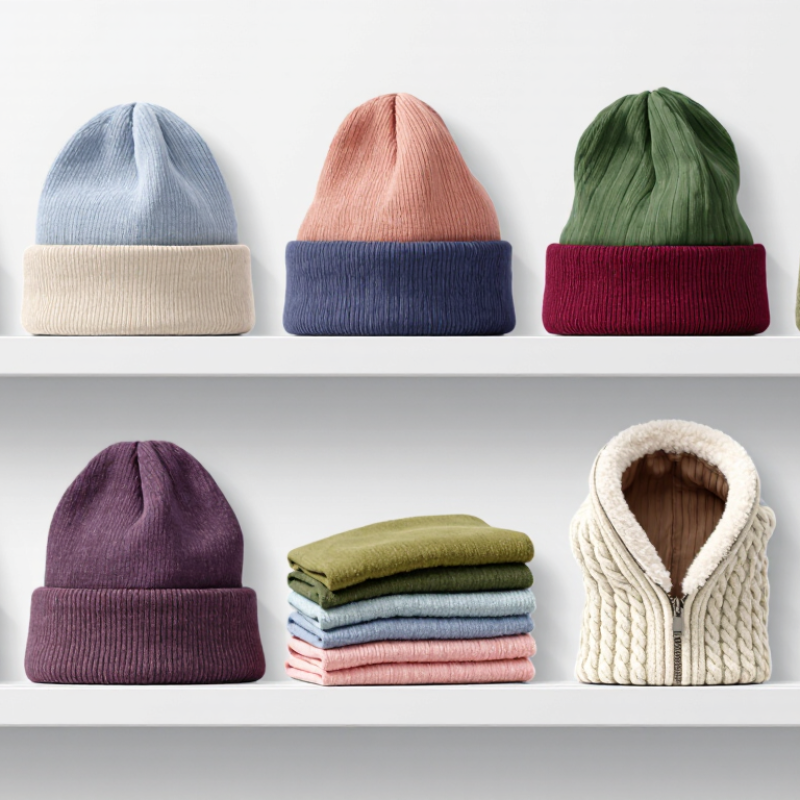
Choosing cool beanies for wholesale requires more than attractive product photos. Material affects comfort, durability, and customer perception. Acrylic offers soft warmth, stable color, and easier care. Wool provides excellent insulation, but some wearers may notice itchiness. Cotton feels breathable, yet it may not perform well in freezing conditions. Blended fabrics can balance these weaknesses. Always request fiber details and care instructions before placing a large order.
Fit deserves practical testing. Measure the crown height, opening, and stretch after repeated wear. A ribbed cuff should hold gently without leaving deep marks. One size rarely fits everyone perfectly. That is easy to overlook. Ask for samples in different head sizes, then check whether the beanie stays secure during walking or cycling. Wash testing also matters, since shrinkage and loose threads can damage wholesale value.
Warmth should match the intended market and season. A single-layer knit suits mild weather, while a folded cuff or fleece lining adds protection. Style still drives sales. Neutral colors support broad retail use, while textured stitches and seasonal shades create visual interest. However, trend-based colors can become slow stock. I have found that practical palettes often sell longer, though this is not guaranteed. Inspect seams, label placement, odor, and packaging quality. Small defects become expensive when multiplied across hundreds of units.

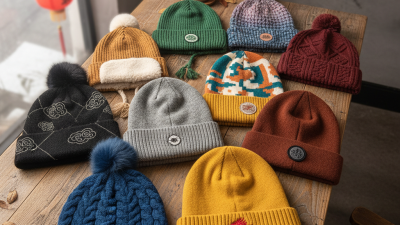
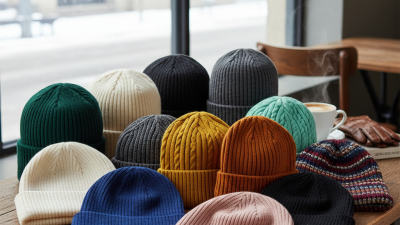
Retailers need beanies that match different customers, seasons, and price points. Cuffed knit beanies remain dependable because they offer warmth, structure, and easy logo placement. Slouch beanies bring a relaxed shape for casual shoppers. Cable-knit styles add visible texture and a handmade feel. Lightweight ribbed beanies suit transitional weather and indoor markets. Fleece-lined options perform better in colder regions, but they may feel too warm elsewhere.
In my buying experience, color selection can influence repeat orders more than expected. Core shades like black, gray, navy, and cream usually provide stable sales. Seasonal colors create interest, yet they can leave unsold stock. Check the fabric blend, stretch recovery, seam quality, and label placement before approving bulk production. A soft beanie is not always durable. I have seen attractive samples lose shape after repeated washing. That mistake is easy to overlook.
Tips: Request samples from each category. Test them on several head sizes. Inspect stitching under bright light. Compare wholesale prices by tier, not only by unit. Keep a balanced range of basic, textured, lightweight, and cold-weather designs. Smaller trial orders may reduce risk, although they can increase the unit cost. That trade-off deserves careful review.
Comparing the 10 Best Cool Beanies for Wholesale Buyers starts with fabric, fit, and repeatable quality. Rib-knit cuffed beanies offer reliable stretch and broad appeal. Slouch beanies create a relaxed silhouette, but excess fabric may not suit smaller heads. Fisherman beanies use a shorter crown and feel modern. Merino wool provides warmth and odor control, although its higher cost can limit margins. Fleece-lined styles perform well in cold regions, yet lining thickness may affect shipping volume.
Cable-knit beanies add visible texture and gift appeal. Pom-pom designs attract seasonal shoppers, but the attachment point needs careful inspection. Recycled polyester options support sustainability claims when suppliers provide clear fiber documentation. Lightweight acrylic beanies dry quickly and hold color well, though cheaper versions can feel rough. Reflective-thread beanies improve visibility during evening walks, but reflective details must remain comfortable against the skin. These differences matter when buyers compare wholesale value rather than appearance alone.
A practical sample review should include head measurements, seam checks, wash testing, and color comparison under daylight. I would test each style after three washes and record stretching around the cuff. A small flaw matters. One sample may feel excellent but lose shape after drying. Wholesale buyers should also compare minimum order quantities, carton dimensions, size ranges, labeling options, and production lead times. Requesting a pre-production sample can prevent costly surprises. In my experience, neutral colors sell steadily, while unusual shades create attention but slower replenishment. That assumption still needs local sales data.
10 Best Cool Beanies for Wholesale Buyers
Evaluating Supplier Quality, Customization, Pricing, and Minimum Orders
A cool beanie must look attractive, but wholesale success begins with dependable construction. Request a physical sample before approving bulk production. Check stitch density, cuff recovery, seam alignment, and fabric softness after washing. Feel the cuff. Loose threads and uneven labels often reveal rushed factory work. A supplier should also provide fiber details, measurement charts, color references, and realistic production timelines.
Customization affects both appearance and cost. Ask whether embroidery, woven labels, patches, and special packaging require separate setup fees. Small logos may lose clarity on thick knits, while oversized designs can make the beanie feel stiff. I have found that digital mockups look cleaner than finished samples sometimes. That difference deserves attention. Request one decorated sample, not only a blank hat. Confirm thread colors under normal indoor lighting.
Pricing should include sampling, packaging, shipping terms, and possible inspection costs. A low unit price can hide expensive minimum orders or weak quality control. Compare quotes using the same fabric weight, decoration method, and packaging standard. Ask twice. Minimum order quantities should match your sales forecast, not your optimism. New buyers may prefer a smaller trial order, even with a slightly higher unit cost. A reliable supplier explains quantity breaks clearly and accepts reasonable questions without pressure. Room for error matters. A perfect forecast rarely exists.
Choosing the right beanie assortment starts with customer needs, not personal taste. Urban shoppers often prefer cuffed styles, neutral colors, and clean embroidered details. Outdoor customers usually value warmth, stretch, and moisture control. For youth markets, brighter shades and playful patches can improve shelf appeal. A balanced wholesale range may include rib-knit, fisherman, slouch, pom-pom, fleece-lined, and lightweight spring beanies. Offer several fits. Head sizes vary more than buyers expect.
Tips: Build the assortment around three customer groups. Keep roughly half in core colors, then add seasonal shades and experimental designs. Check fabric recovery after stretching, because loose beanies quickly create complaints. Also inspect stitching, label placement, and seam comfort before placing a large order. Small quality checks protect your reputation.
Regional demand deserves careful attention. Cold markets may support thicker wool-blend or thermal options, while mild regions need breathable cotton or acrylic blends. Retailers serving commuters may prefer compact, packable designs. Gift shops can benefit from textured patterns and ready-to-display color sets. I have found that oversized styles attract attention, but they do not suit every customer. That assumption can be costly. Ask suppliers for samples, washing guidance, size measurements, and colorfastness details. Review sales data after each season, then adjust the assortment instead of repeating every style.