Leave Your Message
-
Exhibition
-
Phone
-
E-mail
-
Whatsapp
Contact
Choosing Mens Dad Hats for global sourcing requires more than comparing factory prices. The right decision connects fabric, fit, decoration, packaging, delivery, and customer expectations. Jeff Staple, founder of the streetwear brand Staple, once said, “A product must tell a story before it reaches the street.” That idea matters here. A washed cotton cap may suggest relaxed confidence, while a structured crown can feel sharper and more promotional.
Begin with the target market. Measure head circumference ranges, preferred colors, seasonal demand, and retail positioning. Request physical samples, not only digital mockups. Check the crown height, brim curve, sweatband comfort, stitching density, and metal adjustment hardware. Small flaws become obvious after thousands of units. Ask suppliers for fabric composition, colorfastness results, production capacity, and inspection procedures. Their answers should be specific.
Cost is important, but the lowest quote can hide weak fabric or unstable sizing. Compare total landed cost, including sampling, packaging, freight, duties, and quality checks. Confirm production lead times in writing. Also review logo placement carefully. A logo sitting three millimeters off-center may damage an otherwise attractive cap.
Global sourcing is rarely perfect. One sample may feel excellent, while the next exposes inconsistent washing. That is a warning, not an inconvenience. Build approval checkpoints into the order. Use clear specifications and independent inspections when practical. Responsible sourcing also means checking workplace standards and avoiding unverified claims. The best Mens Dad Hats supplier is not simply the cheapest. It is the partner that communicates clearly, documents performance, and improves when something goes wrong.
How to Choose Men’s Dad Hats for Global Sourcing?
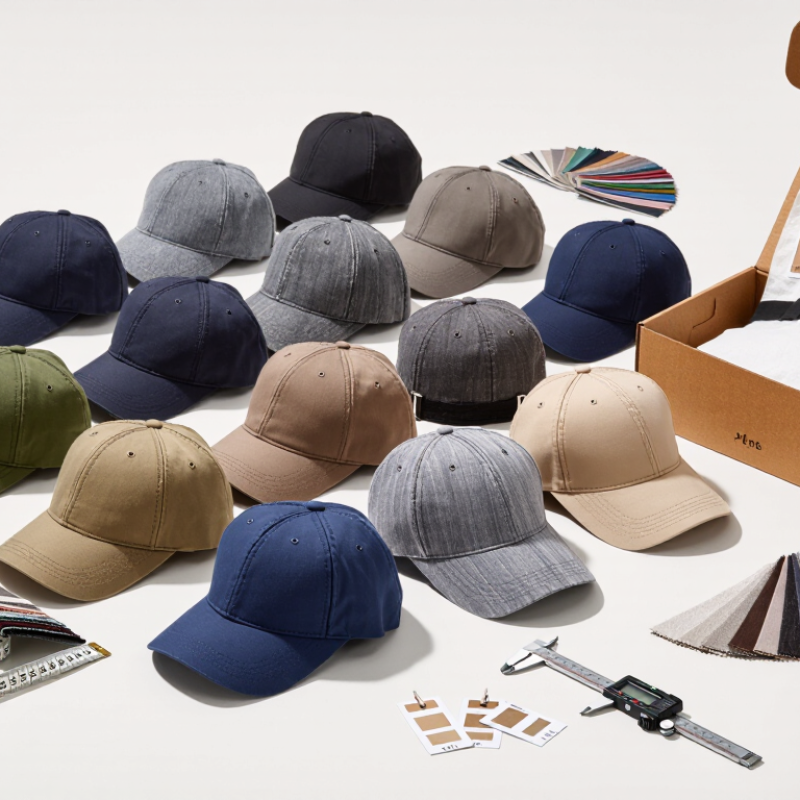
Men’s dad hats usually feature a curved brim, relaxed crown, and adjustable back closure. Their casual shape looks simple, but sourcing details require careful control. In my sourcing experience, cotton twill offers dependable structure and comfortable daily wear. Washed fabrics create a softer appearance, although shade variation can increase between production batches. Ask suppliers for fabric weight, fiber content, color references, and shrinkage data before approving samples. Small details matter.
Fit should be measured with a physical sample, not only a factory drawing. Check crown height, brim length, closure strength, and head circumference range. A metal buckle may feel premium, while a fabric strap can reduce weight and cost. Stitching should remain even around the brim and ventilation eyelets. Inspect loose threads, stains, uneven panels, and distorted embroidery. Simple inspections prevent expensive rework.
Global sourcing also requires clear product specifications and destination-market documentation. Confirm labeling rules, material declarations, packaging limits, and customs paperwork with qualified trade professionals. Suppliers should explain their quality system, production capacity, lead time, and corrective-action process. Request pre-production samples and a final inspection report. Our first sample once looked accurate but felt too shallow after extended wear. That mistake changed our fitting process. Supplier communication can still fail, especially across time zones. Use measured drawings, photographs, and signed approval records. Trial orders are safer than immediately choosing a large quantity. Be careful with assumptions.
| Sourcing Dimension | Recommended Specification for Men's Dad Hats | Why It Matters | Typical Quality-Control Check | Global Sourcing Notes |
|---|---|---|---|---|
| Hat Construction | Unstructured, low-profile, six-panel crown with a pre-curved brim | These features create the relaxed silhouette normally associated with a dad hat. | Check panel symmetry, crown shape, seam alignment, and brim curvature against the approved sample. | Provide a physical reference sample or detailed technical drawing before bulk production. |
| Main Fabric | Cotton twill, approximately 180–260 g/m²; recycled polyester or cotton blends may also be used. | Twill provides a durable surface, while moderate fabric weight helps balance comfort, structure, and shipping weight. | Verify fiber composition, fabric weight, color consistency, tear appearance, and fabric defects. | Specify the permitted fiber percentage and request test reports when recycled or blended fibers are required. |
| Head Circumference | Adjustable adult range of approximately 54–60 cm, with the final range confirmed by measurement. | An adjustable closure allows one size to fit a broad adult customer base. | Measure the smallest and largest usable circumference with the closure fully adjusted. | Use centimeters and inches in the specification sheet to reduce interpretation errors across markets. |
| Back Closure | Metal buckle with fabric strap, hook-and-loop strap, or plastic snap closure. | The closure affects adjustability, perceived quality, cost, comfort, and regional style preferences. | Test adjustment function, stitching strength, sharp edges, corrosion, and repeated opening and closing. | Confirm whether metal components require nickel-release or other material compliance testing for the target market. |
| Sweatband | Sewn-in cotton, polyester, or cotton-blend sweatband with a smooth, non-abrasive finish. | The sweatband directly contacts the skin and affects comfort, moisture handling, and perceived durability. | Inspect seam security, absorbency claims, surface softness, and loose threads. | For warm climates, prioritize breathable materials and document any moisture-management treatment. |
| Brim and Visor | Pre-curved visor with a flexible internal insert; specify finished length and width on the tech pack. | The visor controls appearance, sun coverage, packability, and recovery after transport. | Check curvature, edge binding, surface uniformity, warping, and recovery after bending. | Avoid vague descriptions such as “standard brim”; include tolerances for all key measurements. |
| Decoration Method | Embroidery, woven label, printed artwork, or heat-transfer decoration, selected according to artwork detail and order quantity. | Decoration influences durability, appearance, minimum order quantity, lead time, and unit cost. | Compare artwork size, thread or print color, registration, stitch density, backing visibility, and wash resistance. | Approve a decorated pre-production sample before bulk manufacturing, especially for multi-color artwork. |
| Color Management | Use standardized color references and define acceptable shade tolerance for fabric, thread, labels, and accessories. | Different materials can absorb dye differently, creating visible shade variation within one hat. | Inspect color under consistent lighting and compare production goods with the approved color standard. | Request color approval for each material component rather than approving only the finished product photograph. |
| Fit and Measurement Tolerance | Define tolerances for crown height, visor length, visor width, head circumference, strap length, and panel position. | Small dimensional differences can change the fit and visual balance of a low-profile hat. | Measure samples on a flat surface using a fixed measurement procedure and record deviations. | Include a measurement chart in the purchase specification and define acceptable deviation before placing the order. |
| Colorfastness and Shrinkage | Set testing requirements for colorfastness to washing, perspiration, rubbing, and light when relevant; define acceptable dimensional change. | Sweat, friction, sunlight, and cleaning can affect appearance and fit during use. | Use an appropriate textile testing method and compare results with the limits stated in the purchase order. | Select tests according to the destination market, end use, fabric type, and care instructions. |
| Chemical and Product Safety | Specify restricted-substance requirements for textiles, dyes, prints, coatings, adhesives, and metal components. | Compliance obligations vary by destination and may apply to both textile and non-textile components. | Review supplier declarations and independent laboratory reports when required by the buyer or destination market. | Document the applicable legal and customer requirements before material purchasing begins. |
| Packaging | Individual protective bag or recycled-paper packaging, with cartons designed to prevent crushing and moisture exposure. | Poor packing can deform the crown and visor during long-distance transportation. | Perform carton drop, compression, moisture, and appearance checks appropriate to the shipment method. | Confirm carton dimensions, gross weight, packing quantity, shipping marks, and pallet requirements before shipment. |
| Pre-Production Approval | Approve a final sample showing fabric, color, decoration, closure, labels, measurements, and packaging details. | A complete approval sample reduces ambiguity and limits unauthorized production changes. | Compare bulk goods with the signed sample and approved specification using a documented inspection checklist. | Keep approval records, revision numbers, and inspection results for traceability across international orders. |
| Sustainability Documentation | Request verifiable information for recycled content, organic fibers, responsible packaging, and production processes when sustainability claims are made. | Evidence-based documentation helps prevent unsupported environmental claims and improves supply-chain transparency. | Check certificates, transaction records, material declarations, and consistency between documents and physical goods. | Use only claims that can be supported for the specific product, material, and production batch. |