Top Ladies Running Hats for Comfort and Performance
A good Ladies Running Hat should feel steady, light, and almost forgettable once the miles begin. On a cool morning, it may block low sun; during a warm afternoon run, it should help manage sweat without trapping too much heat. Running-apparel designer Elena Park puts the fit principle this way: “A running hat should stay secure without asking the runner to think about it.” That is useful advice, though fit varies with head shape, hairstyle, and personal preference.
Small details matter. A soft, adjustable band can reduce pressure, while a curved brim helps shade the eyes on open roads. Breathable panels may feel cooler, but fabric and construction differ across models. Check how the hat sits when you turn your head, tuck your hair away, or pick up the pace. No wobble. No constant adjustment. Still, a hat that feels comfortable in a shop may behave differently after several sweaty miles, so real-run testing matters.
This guide explores top ladies’ running hats for comfort and performance, including fit, sun coverage, ventilation, moisture handling, and care. It also considers useful features without treating every extra as essential. A reflective detail can help in dim conditions, but it cannot replace safe visibility choices. The best option is not always the lightest or most technical one. Sometimes, the brim is simply too stiff. Notice that. Compare practical details, then choose a hat that suits your routes, weather, and running habits.

What Defines a Running Hat for Women?
A running hat for women is defined less by its label than by how it fits during movement. It should sit securely without squeezing the temples or sliding when you turn your head. Fit matters. A curved brim can shade the eyes, while a softer, flexible crown may feel less bulky on longer runs. Hair is part of the equation: a ponytail opening or enough room at the back can prevent tugging and pressure.
Material matters, too. Lightweight fabric that dries quickly can feel more comfortable when sweat builds, especially on warm or humid days. Look for a smooth inner band that does not rub the forehead, and seams that stay flat against the skin. Ventilation helps, but large openings may offer less coverage in strong sun. No single design suits everyone; even a highly breathable hat can feel clammy during a hard run. Try it on with your usual hairstyle, then move around before deciding.
Tips: Check the fit with a gentle head shake. Not too tight. Wear the hat on a short run before relying on it for a longer outing. If the brim blocks your view or the band leaves a deep mark, adjust the fit or try another shape. Small details count.
Key Features That Support Comfort and Performance
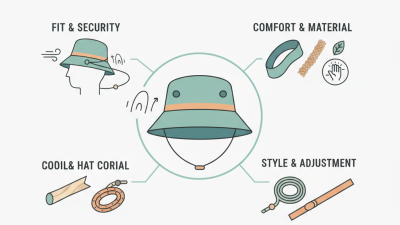
A comfortable running hat should feel secure without squeezing the temples. Look for a lightweight crown with breathable panels, especially for warm, humid runs. A moisture-wicking inner band helps move sweat away from the forehead, but it may still need washing after a few outings. Small detail, big difference. The brim should shade the eyes without blocking your view when you look down at uneven pavement. An adjustable closure can improve the fit, though bulky fasteners may rub beneath a ponytail.
Tips: Try the hat with your usual hairstyle. Run a short loop before wearing it for longer. Check that the brim stays put when you turn your head, and wash the sweatband according to its care label.
Comfort also depends on the weather and pace. A quick-drying fabric is useful in light rain, while a darker, tightly woven brim may provide more shade than thin mesh. Reflective details can help make a runner easier to notice in dim conditions, but they do not replace visible clothing or safe route choices. There is no perfect design for everyone. A very airy hat can feel cool, yet offer less coverage; testing the fit is worth the small hassle.
Common Materials and How They Manage Heat and Moisture
Running hats often use polyester because it dries quickly and stays light when damp. A mesh crown or side panel lets warm air escape, which can help on humid routes. Nylon is another common choice; it is durable and often feels smooth against the skin. Neither fabric cools you by itself. Ventilation and a comfortable fit matter just as much.
Some hats add elastane for stretch, helping the band sit securely without pinching. Cotton can feel soft on a short, easy run, but it absorbs sweat and may stay wet. That can feel heavy near the end of a long outing. A sweatband can catch moisture before it reaches your eyes, though a thick one may feel clammy in heat. Fit matters, too. Try a cap on and check whether its brim shades your face without blocking your view. Fabric labels can be useful, but they do not tell the whole story: weave, panel placement, and head shape affect comfort. No fabric is perfect. A lightweight hat may dry fast yet offer less warmth on a chilly, windy morning.
Top Ladies’ Running Hats: Moisture Regain by Fiber
Typical moisture regain indicates how much moisture a fiber absorbs relative to its dry weight when conditioned in a standard textile atmosphere (about 20°C and 65% relative humidity). Lower regain does not by itself measure sweat-wicking or overall comfort; fabric construction and ventilation also matter.
Fit, Coverage, and Design Options for Different Conditions
A running hat should stay steady without squeezing your temples. Fit matters.
Look for a soft, adjustable band that holds during faster strides but does not leave deep marks. A ponytail opening can help, though its position may feel awkward with a high or low hairstyle. Try the hat with your usual hair tie before a long run. Small details count.
Coverage needs change with the weather.
A curved brim shades the eyes on bright roads, while a longer brim can block more glare but catch wind. For cool mornings, a lightweight cap can cover the scalp without trapping too much heat. In rain, a quick-drying fabric is useful; however, no ordinary running hat keeps every downpour out. Vent panels can improve airflow, but they may offer less warmth in cold wind.
Design affects comfort as much as appearance.
A pale underside can reduce reflected light near the eyes, and flat seams may help prevent rubbing on longer outings. Reflective details are useful around dim streets, but they do not replace visible clothing or careful route choices. It can take a few runs to find the right balance. I would not assume one hat suits every season. Try it on a short run first, and notice whether the brim shifts when you turn your head.
How to Choose and Care for a Ladies’ Running Hat
Choose a ladies’ running hat by fit, fabric, and the conditions you run in. A lightweight, quick-drying crown helps sweat evaporate, while a curved brim shades the face without blocking your view. Try the hat with your usual ponytail; an adjustable rear opening should not pull your hair or leave a pressure mark. For sunny routes, look for a stated UPF rating. Under the AATCC textile test method, UPF 30 fabric transmits about 1/30 of tested ultraviolet radiation. Still, a hat shades only the areas it covers.
Tips: Check the care label before washing. Close any hook-and-loop fasteners, then hand-wash or use a gentle cycle with mild detergent. Skip fabric softener, which can affect moisture-wicking finishes. Air-dry the hat on a towel; high heat may distort its brim. NATA’s position statement on exertional heat illness recommends gradual heat acclimatization over 7–14 days. A hat helps with comfort, but it cannot replace pacing, fluids, or shade breaks.
After a run, rinse away salt and let the hat dry fully before storing it. If the brim curls or the sweatband stays musty after cleaning, it may be time to replace it. I’d reassess the fit after washing, too; fabric can behave differently once it dries.